
Muscle-building peptides are short chains of amino acids, the building blocks that make up proteins, studied for how they interact with the body’s growth hormone system, a related growth factor called IGF-1, and the processes involved in tissue repair.
Interest in these compounds has expanded beyond traditional peptide research into areas relevant to exercise science and muscle biology.
The important distinction is that research interest does not mean a compound has been proven effective or safe for human performance. Much of the current discussion is still at the level of lab studies, animal studies, and the limits of what human trials have actually shown so far. This content is provided for Research Use Only (RUO).
Fitness Culture’s Next Obsession
For decades, the performance and bodybuilding world ran on a familiar toolkit: protein powders, creatine, pre-workouts, and a rotating cast of supplement trends. That toolkit is starting to look incomplete to a growing segment of the fitness research community, who have turned their attention toward a category that used to live almost entirely in clinical and longevity research: peptides.
This is not a supplement trend story. It is a research-interest story, and it is worth understanding why fitness-focused researchers are suddenly paying close attention to a category that, until recently, had almost nothing to do with gyms.
See also: From Steroids to Peptides: How Muscle Research Evolved
Why Traditional Supplements Hit a Ceiling
Protein and creatine work by supporting processes the body already runs well on its own. Protein supplies the raw material the body uses to build muscle tissue, and creatine helps muscle cells regenerate ATP, the molecule that fuels quick bursts of effort. Both are effective and well-studied, and the research behind them is decades deep and mature, so the big open questions about them are fewer than they once were.
Peptide research offers something fundamentally different: the ability to study the specific signals that tell the body to build and repair muscle tissue, rather than simply supplying raw materials for processes the body already runs. That is a different category of research question entirely, and it is why performance researchers have started looking at compounds that were previously studied mainly by hormone specialists and longevity scientists.
The Categories Getting Attention
- Growth hormone secretagogue peptides. A secretagogue is a substance that triggers the release of a hormone. Compounds like ipamorelin and CJC-1295 are studied for how they trigger the body’s own release of growth hormone, one of the more established peptide categories with a longer research history to draw from.
- IGF-1 pathway compounds. IGF-1, short for insulin-like growth factor 1, is a hormone the body produces in response to growth hormone, and it carries out much of growth hormone’s work at the cellular level. Compounds in this category, such as IGF-1 LR3, are studied for their role in tissue repair and growth research.
- Recovery-and-repair peptides. A newer, more experimental category focused on the signals involved in tissue repair more broadly. This is of interest to researchers studying recovery processes, which is a related but separate question from muscle growth itself.
See also: CJC-1295 and Ipamorelin in Research Studies Explained
Hormone Therapy
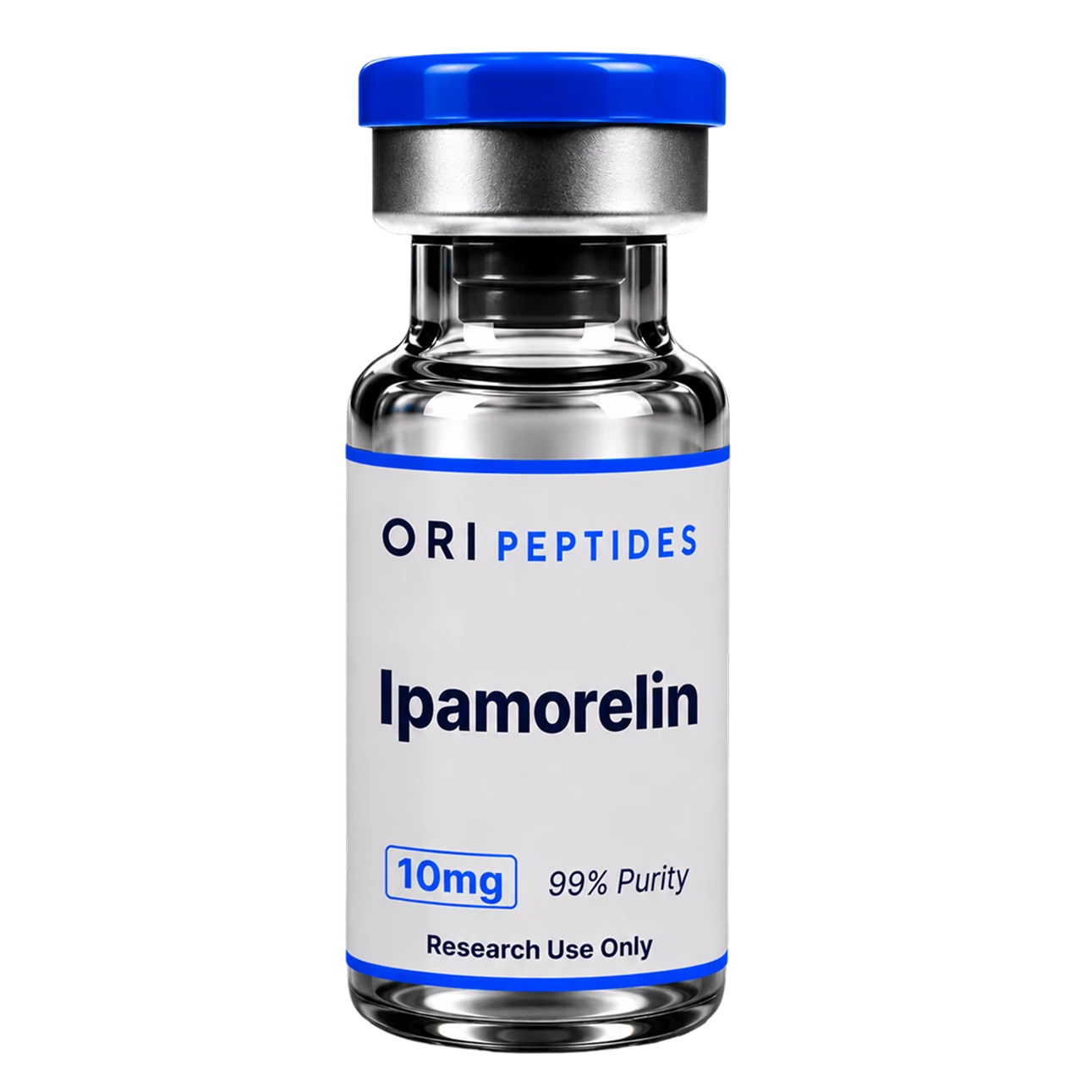
Ipamorelin
Research-grade Ipamorelin, third-party tested above 99% purity and produced in a cGMP facility, for growth hormone pathway research.
Why This Is a Genuine Shift, Not Just Hype
- The research predates the fitness interest. Unlike most gym supplement trends, these compound categories were studied by hormone specialists and longevity researchers long before fitness researchers took notice, meaning there is an existing body of research this interest is building on, not starting from zero.
- It is pulling fitness research toward hormone science, not the other way around. Sports science has traditionally centered on exercise physiology, the study of how the body functions during exercise. This shift has sports and fitness researchers reading hormone and metabolic research as well, a genuinely different body of knowledge for that field to draw from.
- The compound classes overlap with other research categories. The same growth hormone pathway peptides showing up in fitness-adjacent research are also active categories in longevity science, another sign this is not an isolated fitness trend but part of a broader shift across peptide research as a whole.
See also: Why Appetite Is a Bigger Research Puzzle Than Anyone Expected
What’s Next for This Research Category
As with the multi-agonist metabolic peptides, compounds that act on more than one metabolic pathway at once and are reshaping weight-management research, the muscle-and-recovery peptide category is still in its early stages. Expect continued crossover between hormone science, longevity science, and sports research as more of these pathways get mapped, and expect fitness research culture to keep pulling in compound categories that, five years ago, were not part of that conversation at all.
FAQ
Are muscle-building peptides proven to work for human performance?
No. Research interest in how a compound behaves in the body is not the same as proof that it is safe or effective for human performance. Most of the current work is still at the lab and animal-study stage.
What is the difference between growth hormone secretagogue peptides and IGF-1 pathway compounds?
Secretagogue peptides are studied for how they trigger the release of growth hormone in the first place. IGF-1 pathway compounds are studied separately, further along that same chain, for their own role in tissue repair and growth research.
Why are fitness researchers newly interested in a category that started with hormone specialists?
These compound categories were studied by hormone specialists and longevity researchers well before fitness researchers took notice, so this interest is building on existing research rather than starting from scratch.
Are these compounds sold for personal or athletic use?
No. They are sold for laboratory research use only and are not intended for human or animal consumption, diagnostic use, or therapeutic use of any kind. Growth hormone secretagogues and IGF-1 analogs are also on the World Anti-Doping Agency’s prohibited list for competitive sport.
Research Use Disclaimer
This content is provided for Research Use Only (RUO). The compounds discussed are not drugs, dietary supplements, foods, or cosmetics, and are not intended for human or animal consumption, diagnostic use, or therapeutic use of any kind. They have not been evaluated by the FDA for safety or efficacy in humans. Any research use must be conducted by qualified professionals in a controlled laboratory environment, in accordance with all applicable institutional, local, and federal regulations.
Sources
- Wikipedia. Growth hormone secretagogue, how these compounds trigger growth hormone release.
- Wikipedia. Insulin-like growth factor 1 (IGF-1), its production and role in growth and tissue repair.
- Wikipedia. Creatine, its role in ATP regeneration and its history as a widely studied sports compound.