Celine Peptides Blog
The latest research insights, protocols, and news from the molecular science community.
All Articles

Peptides for Inflammation and What Research Examines
Peptides for inflammation explained in plain words. See which ones research examines, how they compare, why aging research cares and where the evidence stops.

Larazotide and What Intestinal Barrier Research Examines
Larazotide explained in plain words, how it is thought to work, and what intestinal barrier research examines, from cell studies to clinical trials.

Peptide Injection Sites in Research Protocol Terms
Peptide injection sites explained in research terms. See what studies record on site choice, rotation, documentation, and syringe math, in plain words.

KPV Peptide and KPV Dosage in Research Explained
KPV dosage and KPV peptide research in plain words. See how it works, how it compares with BPC-157, lab study amounts, and what is still unknown.

What Is Selank Peptide and What Current Research Shows
Selank peptide explained in plain words. See what it is, how it works, how it compares with Semax and anxiety medications, and what research found.

Cagrilintide Dosage and Reconstitution for Research
Cagrilintide dosage and what research shows, in plain words. See how it works, weight loss results, trial doses, mixing steps, and storage notes.

GHK-Cu Side Effects Seen in the Research Record Today
GHK-Cu side effects in plain words. See what the studies report on skin tolerability, injection safety, and copper, plus what is still unknown.

What Is Epitalon and What the Research Actually Shows
Epitalon peptide explained in plain words. See how it works, what studies found, amounts used in trials, and what is known about side effects.

Glutathione Peptide and What Antioxidant Research Shows
Glutathione peptide explained in plain words. See how it works, what skin and anti-aging studies found, the benefits studied, and amounts used in trials.

What Is PT-141 Peptide and What Research Examines Now
PT-141 peptide explained in plain words. See how it works, how fast, what trials in women and men found, side effects, and what dosing studies used.

Wolverine Peptide Stack and What the Research Shows
The wolverine peptide stack pairs BPC-157 and TB-500. See what each is studied for, why they get paired, and what combination research does not show.

Best Peptides for Weight Loss and How Research Compares Them
Best peptides for weight loss explained in plain words. See how they work, how strong the evidence is, which are approved medicines and which are not.

What Is 5-Amino-1MQ and What the Early Research Shows
5-amino-1MQ explained in plain words. See how it works, what lab studies report, how it differs from NAD+ boosters and why no human dose exists.

MK-677 Side Effects Reported in Published Research
MK-677 side effects explained in plain words. See what it is, how it works, what trials report on uses and doses, and where safety signals appear.

What Is Melanotan 2 and What Current Research Shows
Melanotan 2 explained in plain words. See how melanocortin research studies it, why its safety record is contested and how it is handled for research use.

Sermorelin Dosage and Reconstitution Research Guide
Sermorelin dosage explained in plain words, with published dose figures, a general mixing walkthrough, storage notes and how it compares with ipamorelin.

What Is SS-31 Peptide and What Current Research Shows
SS-31 peptide explained in plain words. See how it targets mitochondria, what clinical trials and lab studies report, and how it differs from MOTS-C.

What Is IGF-1 LR3 and What Muscle Research Now Shows
IGF-1 LR3 explained in plain words. See how it differs from IGF-1, what lab studies of muscle report, and why no dose or cycle length is proven.

What Is SLU-PP-332 and What Early Research Examines
SLU-PP-332 is a lab compound studied as an exercise mimetic. See how it works, what lab studies report, and why there is no proven dose for people.

What Is Kisspeptin and What Current Research Examines
Kisspeptin is a brain signal studied in puberty, IVF, and hormone research. Learn how it works, what human trials reported, and what is still unknown.

BPC-157 Side Effects Found in the Research Record Now
What lab studies and early human reports say about BPC-157 side effects, why safety data in people is limited, and what reviewers still call unknown.

Tirzepatide Dosage Chart for Research Reference Use
A tirzepatide dosage chart with weekly dosing steps from trial literature, how the compound works, what trials reported, and how it compares with retatrutide.

Ipamorelin vs Sermorelin, How Researchers Compare Them
A side by side look at ipamorelin and sermorelin, how each is thought to act on growth hormone signalling and what separates them in research use.

Where to Buy Tirzepatide for Research
What to verify before sourcing research tirzepatide, from HPLC purity and batch COAs to supplier red flags and the documentation that actually matters.

Thymosin Alpha-1 and What Immune Research Examines
Thymosin alpha 1 explained in plain terms, how immune research studies it, how it differs from TB-500, and how it is handled as a research compound.

MOTS-C Dosage and Reconstitution Guide for Research
How MOTS-c dosage is calculated and reconstituted in research settings, explained in plain terms with real studies on its metabolic effects.

What Is Ipamorelin, Benefits, Dosage and Reconstitution
How ipamorelin is dosed and reconstituted in research, with a step by step mixing walkthrough, storage notes and the handling errors to avoid.

What Is AOD-9604 and How It Compares to Other Peptides
AOD-9604 explained, the growth hormone fragment studied in fat metabolism research, what the evidence shows and how it is handled for research use.
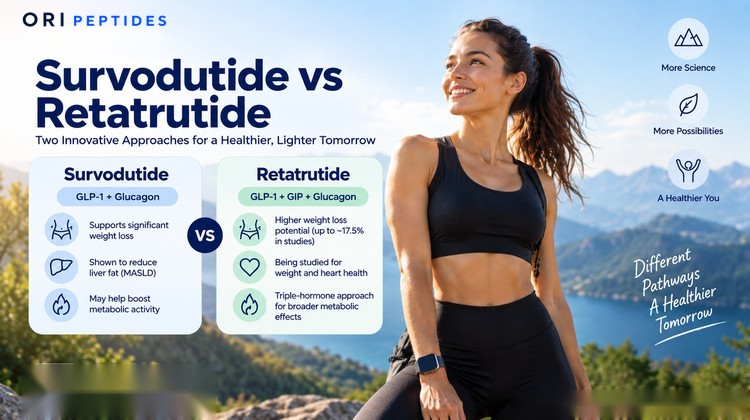
What Is Survodutide and How It Differs From Retatrutide
Survodutide explained, the GLP-1 and glucagon dual agonist, what current research examines and how its receptor pairing differs from retatrutide.

CJC-1295 and Ipamorelin in Research Studies Explained
Why CJC-1295 and ipamorelin are studied as a pair, how each is thought to act on growth hormone signalling, and what combination research examines.give

Semaglutide Dosage and Reconstitution for Research
How semaglutide is dosed and reconstituted in research settings, what escalation patterns the literature reports, and storage guidance for the lab.

Semax Peptide and What Current Research Shows
Semax explained, the ACTH derived research peptide studied in cognition and stress work, how it is handled, and why it stays research use only.

Peptides for Skin and What Current Research Examines
How skin research studies peptides, the difference between signal and carrier peptides, and what GHK-Cu work does and does not currently show.

NAD+ Peptide Research and What It Shows About Longevity
What NAD+ is, why it shows up in peptide and longevity research, what cellular energy studies examine, and how the compounds are handled for research.

Tesamorelin Dosage, Benefits and Safety Guide
How tesamorelin is dosed and reconstituted in research settings, with a step by step mixing walkthrough and storage notes for laboratory use.

What DSIP Peptide Does in Sleep Research
DSIP peptide research covers sleep, stress signaling, proposed mechanisms, inconsistent human evidence, handling, storage, and Research Use Only context.

What Cagrilintide Actually Does in the Body
Cagrilintide research covers amylin signaling, appetite, digestion, CagriSema trials, side effects, handling, storage, and Research Use Only context.
Retatrutide Side Effects Seen in Research Literature
Retatrutide side effects in research literature, including digestive events, dose-response patterns, dysesthesia, safety limits, and RUO context.

KPV Peptide, What the Research Shows About Gut and Skin Inflammation
KPV peptide research covers gut and skin inflammation, proposed mechanisms, delivery studies, BPC-157 comparisons, regulatory status, and RUO context.
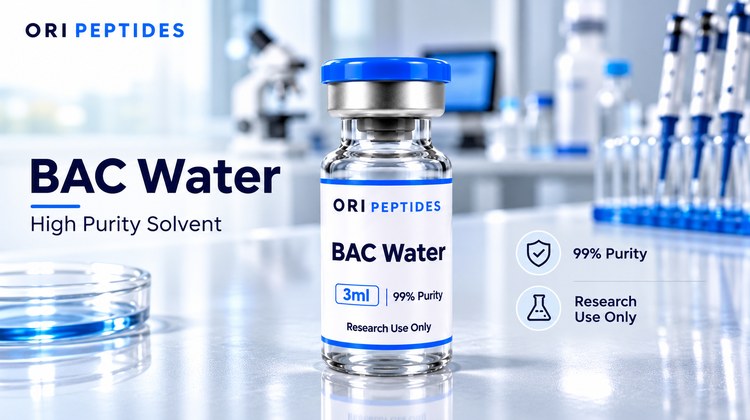
Bacteriostatic Water for Peptide Reconstitution Use
What bacteriostatic water is, how it differs from sterile water, and why the benzyl alcohol content matters when reconstituting research peptides.
Tirzepatide Side Effects in the Research Literature
What preclinical and trial literature records about tirzepatide adverse event signals, how they cluster, and what remains open for research use only.

BPC-157 Dosage and Reconstitution Research Guide
BPC-157 dosage and reconstitution for research, including why no official dose exists, concentration math, mixing steps, storage, and RUO handling.

BPC-157 Benefits, What the Research Shows
BPC-157 benefits research covers tendon repair, gut studies, angiogenesis, evidence limits, human data gaps, and Research Use Only handling.

What Is BPC-157? Mechanism, Research and Uses
What is BPC-157? Review its proposed mechanisms, animal research, injury and gut studies, dosage context, TB-500 comparison, and Research Use Only status.

Ipamorelin Benefits, What the Research Examines
Ipamorelin benefits research covers its ghrelin receptor mechanism, hormone release, CJC-1295 context, evidence limits, and Research Use Only handling.
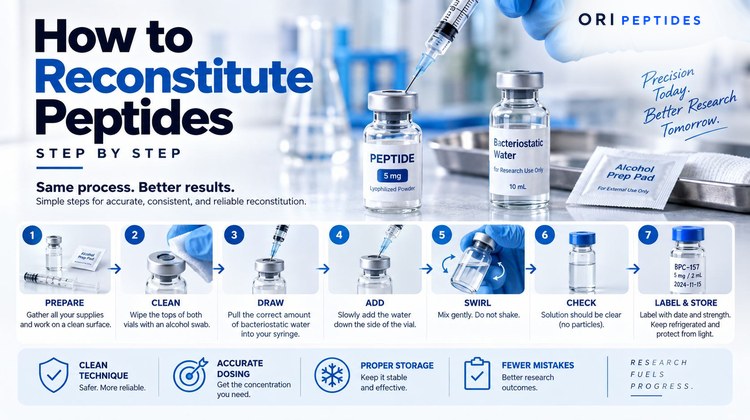
How to Reconstitute Peptides, Step by Step
How to reconstitute peptides for research with water ratios, mixing steps, storage guidance, common mistakes, and Research Use Only handling.
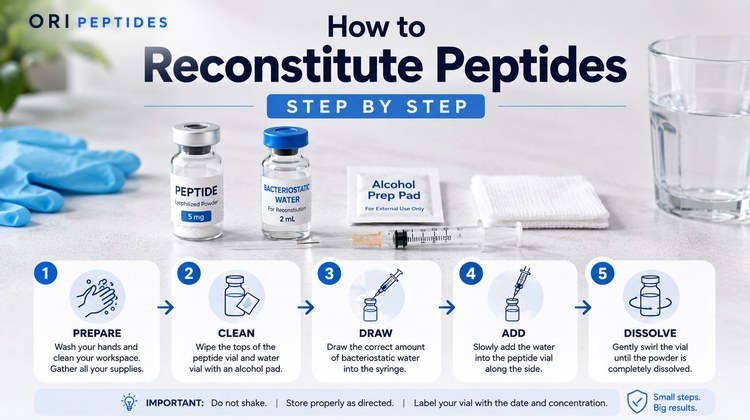
Peptide Reconstitution Ratios and How to Calculate Them
Peptide reconstitution ratios explained with worked examples, concentration math, syringe conversions, and Research Use Only guidance for laboratory work.
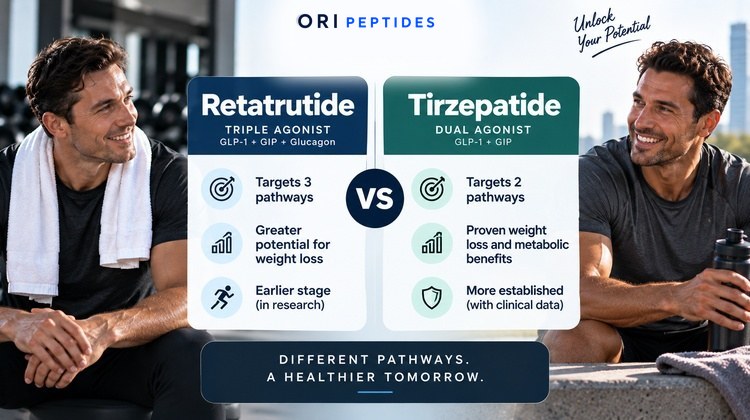
Retatrutide vs Tirzepatide, What Sets Them Apart
Retatrutide vs tirzepatide compared across receptor targets, clinical research, regulatory status, dosing context, and Research Use Only handling.

What Is Retatrutide? Mechanism, Research and Uses
Retatrutide research covers its triple-agonist mechanism, clinical findings, current areas studied, safety limits, and Research Use Only context.

Retatrutide Dosage and Reconstitution Research Guide
Retatrutide dosage and reconstitution explained for research use, including trial dosing context, concentration math, mixing, storage, stability, and handling.

How to Evaluate a Research Peptide Supplier
Where to buy retatrutide for research and what to check before ordering, including COAs, purity, identity testing, storage, and supplier red flags.

MK-677 Benefits: What Current Research Shows
MK-677 benefits research covers its ghrelin receptor mechanism, clinical study areas, oral small-molecule differences, and Research Use Only context.

MK-677 Dosage: How Researchers Approach It
MK-677 dosage research explained through published study context, oral-compound handling, storage, stability, and Research Use Only limitations.

GHK-Cu Benefits: What the Research Examines
GHK-Cu benefits research covers copper binding, skin and tissue repair findings, cosmetic context, laboratory forms, and Research Use Only handling.

GHK-Cu Dosage and Reconstitution Research Guide
GHK-Cu dosage and reconstitution explained for research use, including concentration context, storage, stability, handling, and laboratory preparation.

TB-500 Benefits: What Current Research Shows
An evidence-based overview of TB-500 research on recovery and tissue repair, and what remains preliminary for research use.
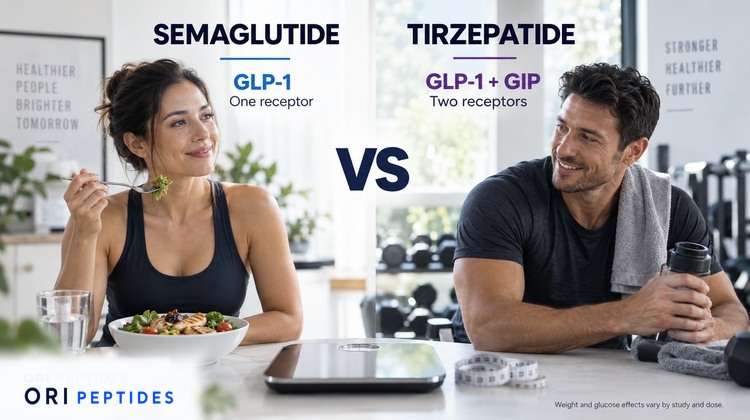
Semaglutide vs Tirzepatide: How They Compare
A clear comparison of semaglutide and tirzepatide, their receptor targets, research findings and what separates them for research use.

TB-500 Dosage & Reconstitution Research Guide
TB-500 dosing from research literature, with a reconstitution walkthrough and storage guidance for laboratory use.
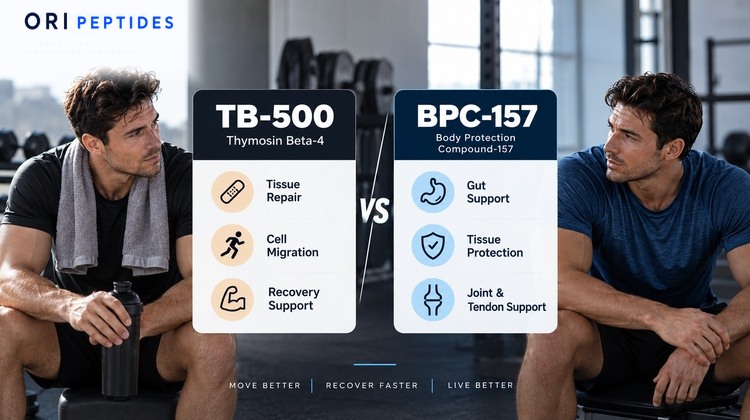
TB-500 vs BPC-157: How Researchers Compare Them
A side-by-side look at TB-500 and BPC-157, how each is studied for recovery, and why researchers often examine them together.

Tirzepatide Dosage and Reconstitution Research Guide
How tirzepatide is dosed and reconstituted in research, with a step-by-step guide and storage best practices for the lab.

What Is Tirzepatide? Mechanism and Research Explained
Tirzepatide explained, the dual GIP and GLP-1 research peptide, how it works, what research examines and its RUO status.
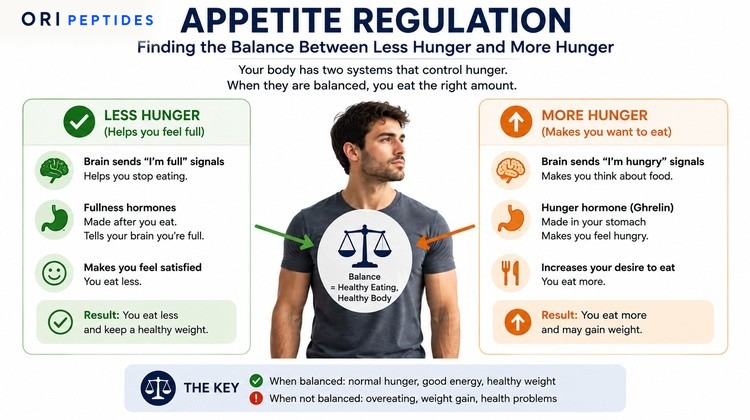
Why Appetite Is a Bigger Research Puzzle Than Anyone Expected
Appetite regulation research now focuses on interacting GLP-1, GIP, and glucagon pathways, helping explain the rise of multi-receptor peptide models.
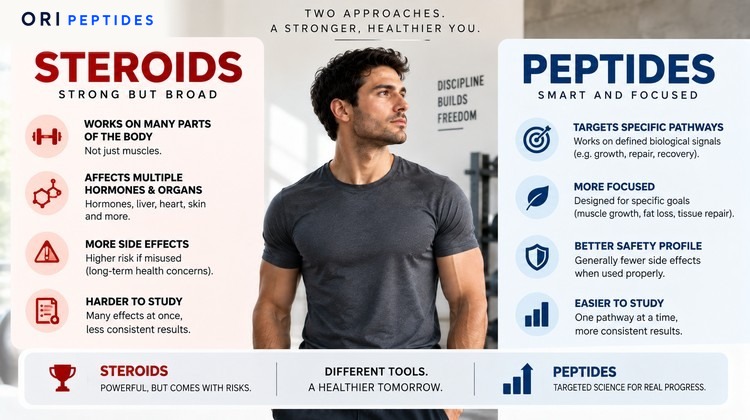
From Steroids to Peptides: How Muscle Research Evolved
Discover how muscle research evolved from anabolic steroids toward targeted peptide signaling and more specific growth hormone and IGF-1 pathways.
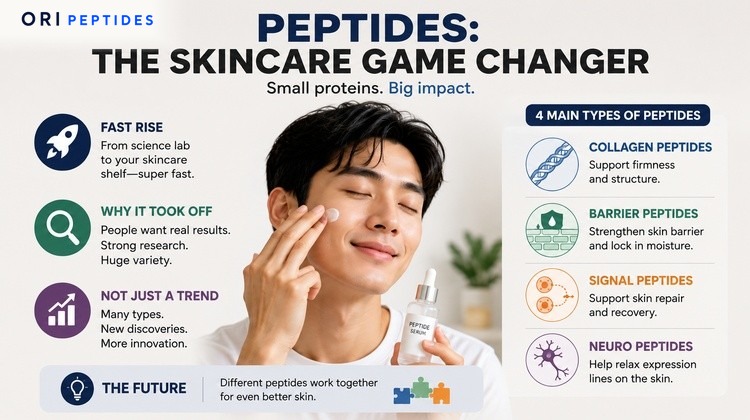
How Peptides Took Over the Skincare Industry
Peptides in skincare have moved from niche cosmetic science to mainstream beauty. Learn what drove the trend and where peptide research is heading.

Why Muscle-Building Peptides Are the Fitness Industry’s Next Frontier
Explore muscle-building peptides as a growing research category, including growth hormone pathways, IGF-1 signaling, recovery research, and RUO context.
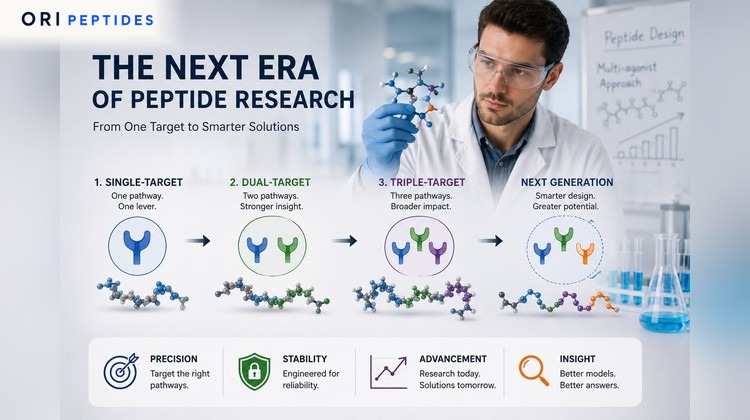
The Next Chapter Beyond Weight Loss Drugs
Why the research pipeline has already moved past single-target GLP-1 peptides, through dual- and triple-agonist design, to what pathway-specific and tissue-selective peptides look like next.
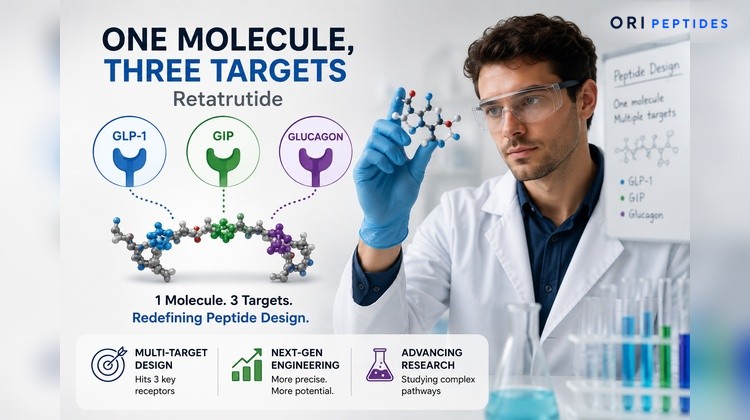
The Molecule With Three Jobs: How Retatrutide Rewrote the Rules
How retatrutide engineers a single molecule to hit three receptors, GLP-1, GIP, and glucagon, and what that breakthrough means for future peptide design.
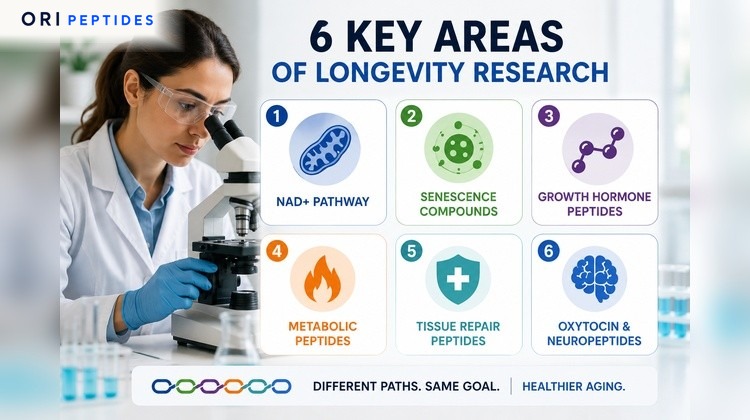
The Longevity Compounds Getting the Most Research Attention Right Now
A landscape view of the six compound categories drawing the most longevity research attention, from NAD+ and senolytics to growth hormone peptides.
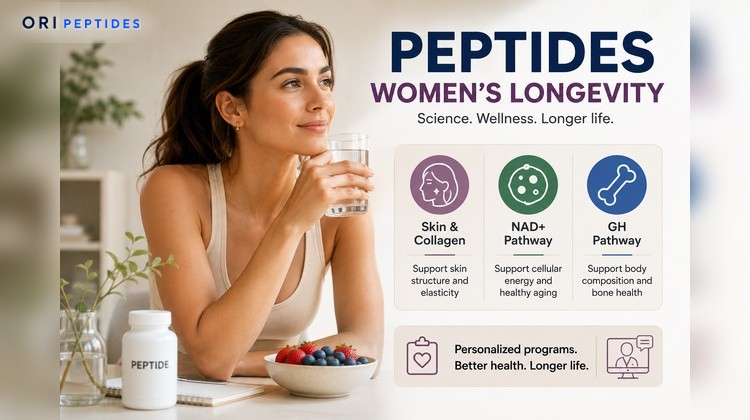
Why Peptides Are Becoming Part of the Women’s Longevity Conversation
How peptide research shifted from a mostly male biohacking crowd toward women's longevity and wellness, and the three categories getting the most attention now.